.png)
.jpg)

Heat Pump Technology: How They Heat & Cool Your Home
Heat Pump Technology: How They Heat & Cool Your Home Efficiently
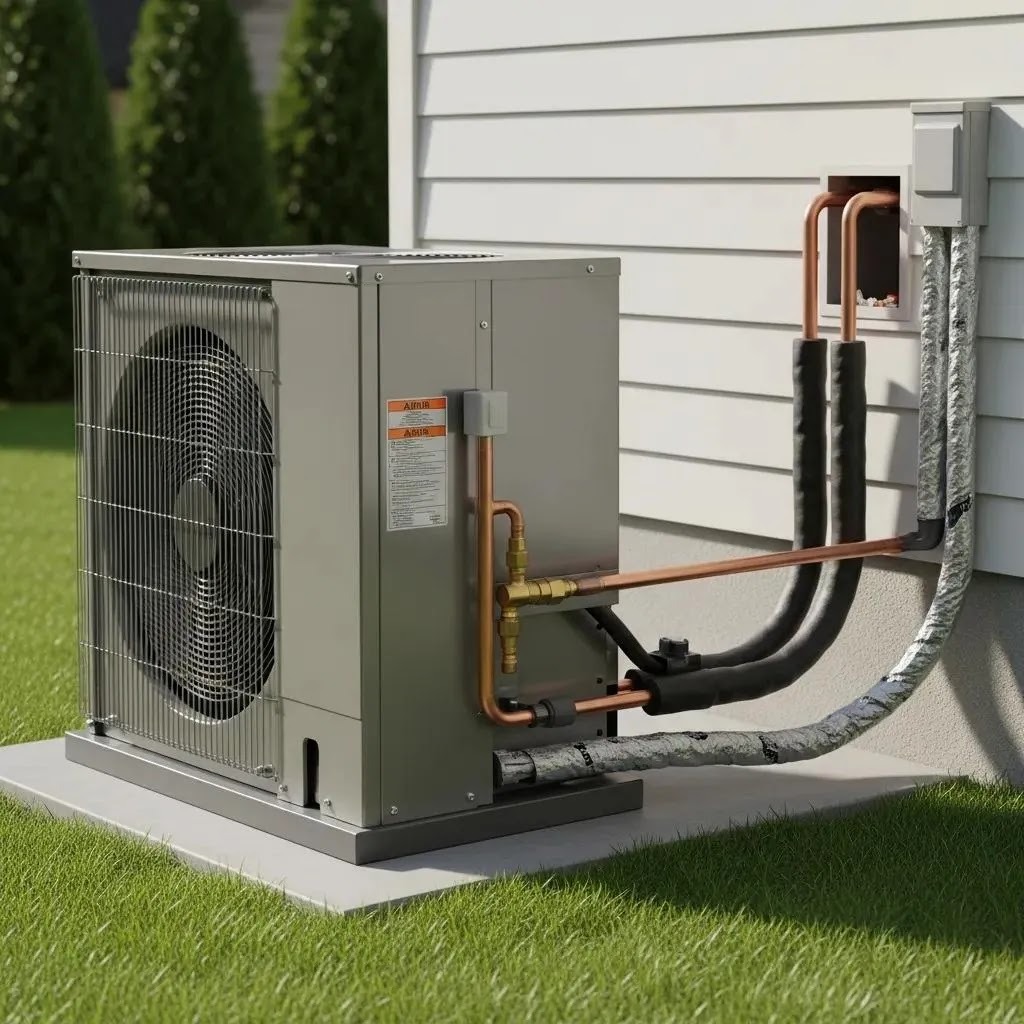
Heat pump technology represents a significant advancement in HVAC systems, providing an efficient solution for both heating and cooling residential spaces. By utilizing the principles of thermodynamics, heat pumps transfer heat from one location to another, making them a versatile choice for homeowners. This article will explore how heat pumps operate, their benefits, installation processes, maintenance tips, and how they compare to traditional heating and cooling systems. Understanding these aspects can help homeowners make informed decisions about their HVAC needs, especially in Gainesville, GA, where modern solutions are increasingly sought after.
How Do Heat Pumps Work to Heat and Cool Your Home?
Heat pumps function by transferring heat rather than generating it, which allows them to provide both heating and cooling. The core mechanism involves a refrigerant cycle that absorbs heat from the outside air or ground and releases it indoors during winter, while the reverse occurs in summer. This dual functionality makes heat pumps an energy-efficient alternative to conventional heating and cooling systems. Their ability to move heat efficiently helps maintain comfortable indoor temperatures throughout the year.
What Is the Refrigerant Cycle in Heat Pump Technology?
The refrigerant cycle is a critical process in heat pump technology, consisting of four main stages: evaporation, compression, condensation, and expansion. During evaporation, the refrigerant absorbs heat from the environment, turning from a liquid into a gas. This gas is then compressed, raising its temperature and pressure. Next, the hot gas moves to the condenser, where it releases heat into the home and condenses back into a liquid. Finally, the refrigerant expands, lowering its pressure and temperature, ready to repeat the cycle. This efficient process allows heat pumps to maintain comfortable indoor temperatures year-round by continuously cycling heat in and out of the home.
How Do Heat Pumps Use Thermodynamics for Year-Round Climate Control?
Heat pumps leverage the principles of thermodynamics to regulate indoor climates effectively. By utilizing the second law of thermodynamics, which states that heat naturally flows from hot to cold, heat pumps can extract heat from cooler outdoor air or the ground and transfer it indoors. This process is not only energy-efficient but also environmentally friendly, as it reduces reliance on fossil fuels. The ability to reverse this process for cooling further enhances their versatility, making them suitable for various climates and providing homeowners with a reliable year-round climate control solution.
What Are the Benefits of Using Heat Pumps for Home Heating and Cooling?
Heat pumps offer numerous advantages for homeowners seeking efficient heating and cooling solutions. Their energy efficiency, cost savings, and environmental benefits make them an attractive option for modern HVAC systems. These benefits contribute to both immediate comfort and long-term sustainability for residential properties.
- Energy Efficiency: Heat pumps can achieve efficiencies of 300-400%, meaning they can produce three to four units of heat for every unit of electricity consumed. This high efficiency translates to lower energy bills and reduced carbon footprints. By using less energy to heat or cool a home, heat pumps help conserve natural resources and reduce overall energy demand.
- Cost Savings: While the initial investment for a heat pump may be higher than traditional systems, the long-term savings on energy costs can be significant. Homeowners often see a return on investment within a few years due to reduced utility bills. Additionally, the durability and low maintenance requirements of heat pumps contribute to their cost-effectiveness over time.
- Environmental Benefits: By using renewable energy sources and reducing greenhouse gas emissions, heat pumps are considered environmentally friendly HVAC solutions. They contribute to a more sustainable future by minimizing reliance on fossil fuels. Their ability to operate efficiently in various climates also helps reduce the environmental impact of heating and cooling homes.
For residents in Gainesville, GA, Res Air LLC specializes in the installation, maintenance, and repair of heat pumps, ensuring that homeowners can enjoy these benefits with professional support. Their experienced team is dedicated to providing personalized service tailored to each home's unique needs.
How Do Heat Pumps Improve Energy Efficiency and Reduce Costs?
Heat pumps improve energy efficiency by utilizing electricity to transfer heat rather than generate it. This process allows them to operate at a higher efficiency than traditional heating systems. For instance, a heat pump can provide up to four times the amount of energy it consumes, leading to substantial cost savings on energy bills. Homeowners can expect to see a reduction in their heating and cooling costs, making heat pumps a financially sound investment that pays off over time.
Why Are Heat Pumps Considered Environmentally Friendly HVAC Solutions?
Heat pumps are considered environmentally friendly because they significantly reduce greenhouse gas emissions compared to conventional heating systems. By using electricity from renewable sources, they minimize the carbon footprint associated with heating and cooling. Additionally, their high efficiency means that less energy is required to maintain comfortable indoor temperatures, further contributing to environmental sustainability. This makes heat pumps an excellent choice for homeowners looking to reduce their environmental impact.
What Is the Heat Pump Installation Process in Gainesville, GA?
The installation of a heat pump involves several key steps to ensure optimal performance and efficiency. It begins with a thorough assessment of the home to determine the appropriate size and type of heat pump needed. Following this, the installation team will prepare the site, which may include modifications to existing ductwork or the installation of new components. Proper installation is crucial to maximize the system's efficiency and lifespan.
How Does Res Air LLC Provide Personalized Heat Pump Installation Services?
Res Air LLC offers personalized heat pump installation services tailored to the specific needs of each homeowner. Their team conducts a comprehensive evaluation of the property, considering factors such as size, insulation, and existing HVAC systems. This approach ensures that the selected heat pump is the right fit for the home, maximizing efficiency and comfort. Their professional technicians work closely with homeowners to provide expert guidance throughout the installation process.
What Are the Typical Heat Pump Installation Costs in Gainesville?
The cost of installing a heat pump in Gainesville can vary based on several factors, including the type of heat pump, the complexity of the installation, and any necessary modifications to existing systems. Generally, installation costs depend on the specific requirements of the home and the system chosen. Investing in a heat pump can lead to long-term savings, making it a worthwhile consideration for many homeowners who want to improve their home's energy efficiency and comfort.
How Should Homeowners Maintain and Troubleshoot Their Heat Pumps?
Regular maintenance is essential for ensuring the longevity and efficiency of heat pumps. Homeowners should be proactive in caring for their systems to avoid costly repairs and ensure optimal performance. Proper upkeep helps maintain energy efficiency and extends the life of the equipment.
What Are Essential Heat Pump Maintenance Tips for Longevity?
To maintain a heat pump effectively, homeowners should follow these essential tips:
- Regular Filter Changes: Replace or clean filters every 1-3 months to ensure proper airflow and efficiency. Clean filters help the system operate smoothly and prevent dust and debris from damaging internal components.
- Annual Professional Inspections: Schedule annual maintenance checks with a qualified HVAC technician to identify and address potential issues before they escalate. Professional inspections can detect problems early, ensuring the system runs efficiently and reliably.
- Clear Surrounding Areas: Keep the outdoor unit clear of debris, leaves, and snow to ensure proper airflow and operation. Maintaining a clean area around the unit prevents blockages and helps the heat pump function optimally.
How Can Common Heat Pump Issues Be Diagnosed and Resolved?
Homeowners can troubleshoot common heat pump maintenance issues by checking for the following:
- Inadequate Heating or Cooling: Ensure that the thermostat is set correctly and that filters are clean. If problems persist, it may indicate a refrigerant leak or mechanical failure that requires professional attention.
- Unusual Noises: Listen for strange sounds, such as grinding or rattling, which may indicate loose components or mechanical issues. Promptly addressing these noises can prevent further damage and costly repairs.
- Frequent Cycling: If the heat pump cycles on and off frequently, it may be oversized for the space or have a malfunctioning thermostat. Proper sizing and thermostat calibration are important for efficient operation and comfort.
How Do Heat Pumps Compare to Traditional Furnaces and Air Conditioners?
When comparing heat pumps to traditional furnaces and air conditioners, several key differences emerge, particularly in terms of efficiency and functionality. Heat pumps offer a combined solution for heating and cooling, which can simplify home HVAC systems and improve overall energy use.
What Are the Efficiency Differences Between Heat Pumps and Furnaces?
Heat pumps are generally more energy-efficient than traditional furnaces, which typically operate at efficiencies of 80-95%. In contrast, heat pumps can achieve efficiencies of 300-400%, making them a superior choice for energy-conscious homeowners. This efficiency translates to lower energy bills and a reduced environmental impact. Choosing a heat pump can be a smart decision for those looking to optimize their home's energy consumption.
When Is a Heat Pump a Better Choice Than a Conventional HVAC System?
Heat pumps are often a better choice in moderate climates where temperatures do not drop excessively low. They provide efficient heating and cooling, making them versatile for year-round use. In contrast, traditional systems may struggle in extreme temperatures, leading to higher energy consumption and costs. Homeowners should consider their local climate and specific heating and cooling needs when deciding between heat pumps and conventional systems to ensure the best performance and value.
What Local Gainesville HVAC Rebates and Incentives Are Available for Heat Pumps?
Homeowners in Gainesville can take advantage of various rebates and incentives designed to promote energy-efficient upgrades, including heat pumps. These programs can significantly offset the initial costs of installation and encourage the adoption of sustainable technologies. Taking advantage of these incentives can make upgrading to a heat pump more affordable and accessible.
How Can Gainesville Homeowners Benefit from Energy Rebate Programs?
Gainesville homeowners can benefit from energy rebate programs that offer financial incentives for installing energy-efficient heat pumps. These programs may include rebates from local utility companies or state-sponsored initiatives aimed at reducing energy consumption and promoting sustainable practices. Homeowners should check with local authorities and utility providers for specific details on available programs to maximize their savings and support environmental goals.
What Are the Latest 2026 Heat Pump Efficiency Statistics and Innovations?
As of 2023, advancements in heat pump technology continue to improve efficiency and performance. Recent statistics indicate that modern heat pumps can achieve Seasonal Energy Efficiency Ratios (SEER) of up to 20, significantly enhancing their energy-saving capabilities. Innovations such as variable-speed compressors and smart thermostats further optimize performance, allowing homeowners to enjoy greater comfort and lower energy costs. These technological improvements make heat pumps an increasingly attractive option for residential heating and cooling.
Get Started with Res Air LLC for Your Heat Pump Needs
If you're considering upgrading your home's heating and cooling system, now is the perfect time to explore heat pump technology. Res Air LLC in Gainesville, GA, offers expert installation, maintenance, and repair services tailored to your home's unique requirements. Their experienced team is ready to help you improve your home's energy efficiency and comfort with professional, reliable service.
Contact Res Air LLC today to schedule a consultation and discover how a heat pump can benefit your home. Take the first step toward a more efficient and environmentally friendly HVAC solution.


Financing
We make comfort affordable with flexible financing options through Optimus and Synchrony, giving you stress-free payment solutions for your HVAC needs.

Customer Testimonials
At Res Air, our customers’ satisfaction speaks louder than words. From fast emergency repairs to flawless system installations, homeowners trust us for reliable comfort and professional service.