.png)
.jpg)
Protecting Your Home in Winter
Winter HVAC Care & Home Protection: How to Keep Your Home Safe and Warm
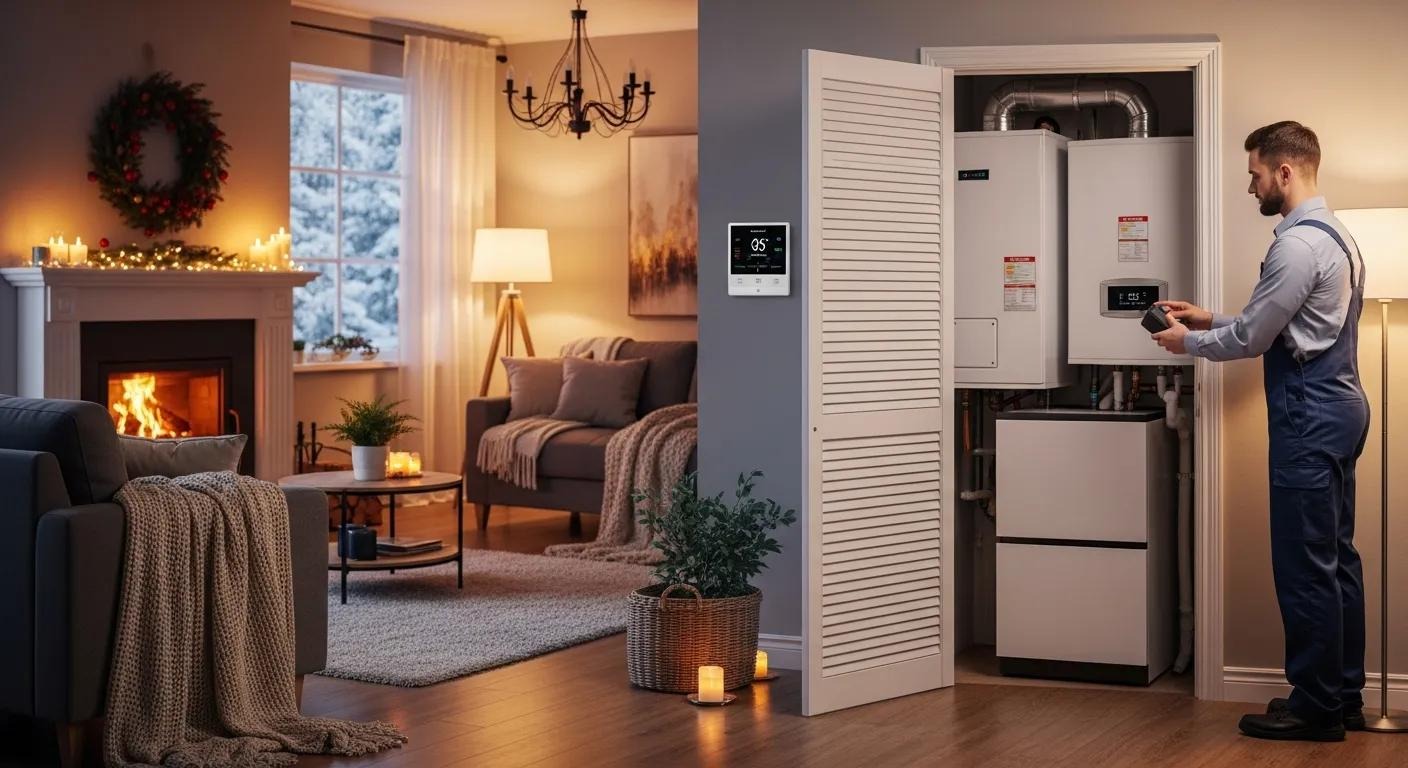
Preparing your heating, ventilation, and plumbing before cold weather hits keeps your home safer, more comfortable, and more efficient. This guide walks through the practical steps that work together to reduce breakdowns, avoid freeze damage, and maintain healthy indoor air. You’ll get clear explanations of what a furnace tune-up includes, how to care for heat pumps in cold weather, proven steps to prevent frozen pipes, thermostat and sealing tips to save energy, and the warning signs that mean you should call a pro. The roadmap covers seasonal HVAC checks, freeze-prevention tactics, efficiency upgrades, what you can safely DIY, emergency planning, and indoor air quality improvements — with checklists and action items tailored for North Georgia homes and links to local service when it helps. Follow these steps to prioritize the work that prevents emergencies and lowers winter heating costs while keeping indoor air comfortable.
How Can Regular HVAC Winter Maintenance Protect Your Home?
Regular winter maintenance reduces equipment failures, keeps systems efficient, and lowers safety risks like carbon monoxide leaks or heat loss by making sure components work as intended. Inspections catch worn parts and combustion issues early, filter changes and cleaning preserve airflow, and safety checks on controls and exchangers help prevent fires and CO hazards. A seasonal tune-up also extends equipment life and cuts the chance of a no-heat emergency on the coldest nights — which in turn protects pipes and interior finishes. Homeowners get more reliable performance, steadier bills, and fewer last-minute repairs when maintenance is scheduled before peak winter demand. Below is a practical checklist of the most important actions technicians and homeowners should include when preparing for winter.
A basic maintenance checklist highlights concrete actions that reduce risk and improve performance.
- Inspect and clean burners, the heat exchanger, and the combustion chamber to ensure safe fuel combustion.
- Replace or clean furnace filters and confirm adequate airflow through ducts and vents.
- Test safety controls, carbon monoxide detectors, and thermostat calibration for correct operation.
- Lubricate motors and check belts, bearings, and electrical connections to help prevent mechanical failure.
- Verify refrigerant levels and defrost operation on heat pumps so they deliver reliable winter heat.
What Are the Key Steps in a Furnace Tune-Up for Winter?
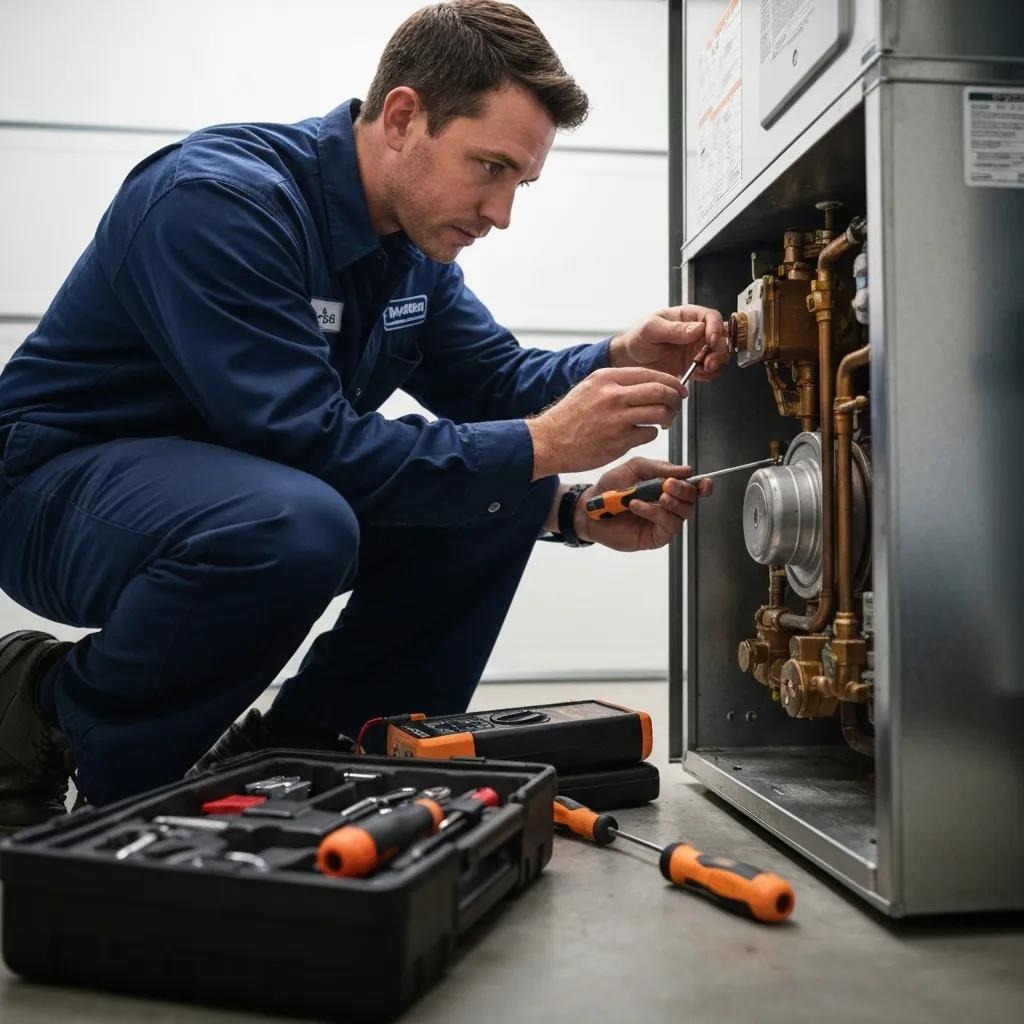
A furnace tune-up is a step-by-step inspection, cleaning, and testing routine that keeps your system safe and efficient through the cold months. Technicians look for cracks or soot on burners and the heat exchanger that signal incomplete combustion, confirm ignition and safety controls work correctly, and inspect flue paths to prevent exhaust backflow. High-quality filters are installed or recommended to maintain airflow, and blower and duct checks help ensure warm air reaches living spaces evenly. Combustion and CO safety checks confirm the system is operating safely, and technicians document findings so you know whether repair or replacement should be considered. Scheduling a tune-up before sustained cold reduces the chance of emergency breakdowns and improves winter comfort.
Before moving to heat pumps, remember a professional tune-up also helps protect plumbing and the building envelope from freeze-related damage.
How Should You Care for Your Heat Pump During Winter Months?
Heat pumps need winter-aware care because they pull heat from outside air and use defrost cycles that temporarily change performance. Keep the outdoor unit free of debris, leaves, and ice so air can flow, and watch for heavy frosting or long defrost cycles — those can point to refrigerant or control problems. Routine checks should include refrigerant charge, electrical connections, and backup heat-strip operation where applicable; odd noises or reduced output mean it’s time to call a technician. Regular seasonal maintenance keeps the unit efficient and lowers the risk of mid-winter failures that affect comfort and costs. Balanced airflow from ducts and correct thermostat settings also help the heat pump heat more evenly.
Research into cold-climate heat pumps offers design strategies to preserve capacity and efficiency in low temperatures
What Are the Best Strategies to Prevent Frozen Pipes in Winter?
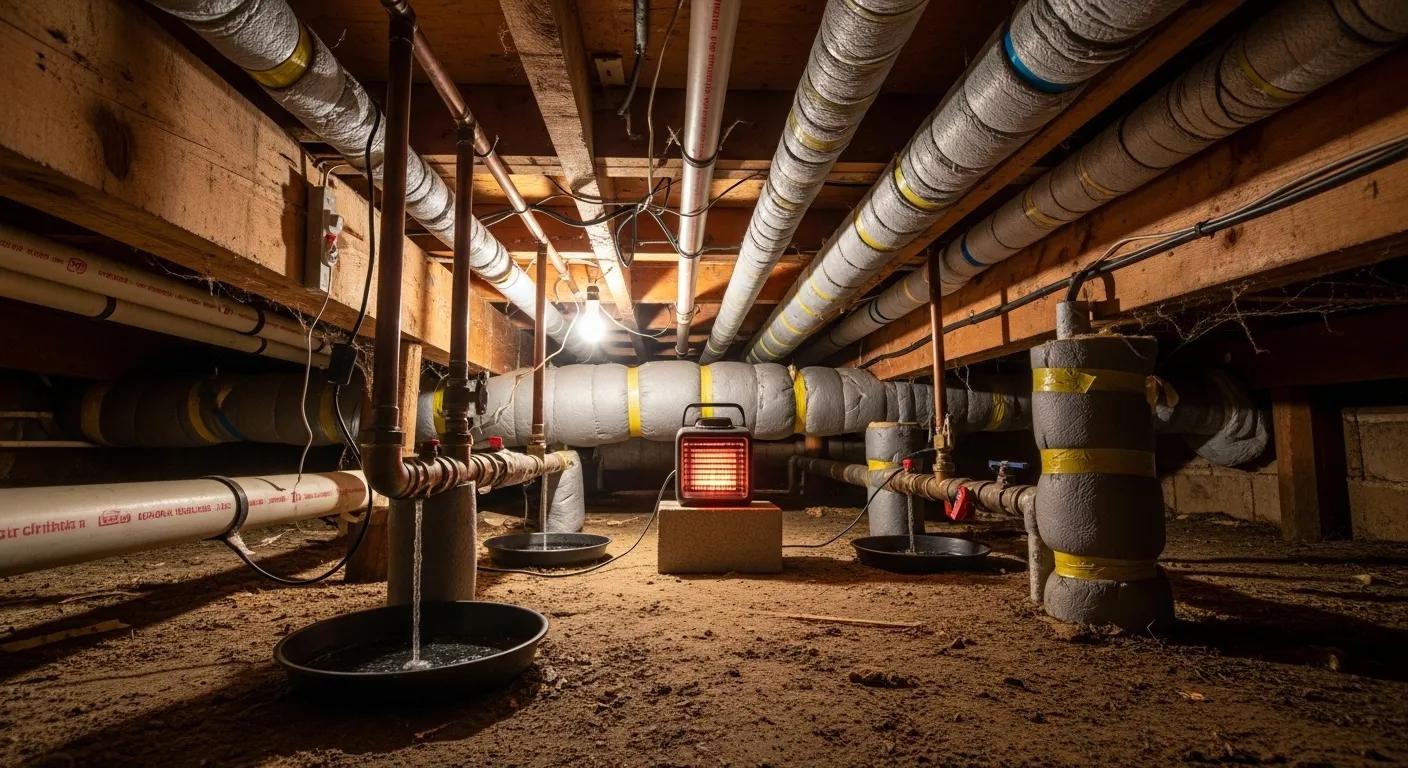
Preventing frozen pipes is a mix of insulation, steady indoor temperatures, strategic water movement, and targeted professional work where pipes are most vulnerable. Insulating exposed runs in crawlspaces, garages, and along exterior walls slows heat loss, while electric heat tape provides active protection for short, high-risk sections. Keeping a reasonable minimum indoor temperature and allowing a slow faucet drip during extreme cold keeps water moving and reduces ice buildup. Pinpoint where pipes run near unheated exterior walls and prioritize those areas for insulation or rerouting — it’s one of the highest-impact steps for North Georgia homes. The checklist below gives quick, practical actions homeowners can take to lower freeze risk.
Follow these stepwise actions to prevent frozen pipes and minimize emergency repairs.
- Insulate Exposed Pipes: Fit foam sleeves or wrap fiberglass insulation around pipes in unheated areas to reduce heat loss.
- Use Heat Tape When Needed: Apply electric heat tape to vulnerable short runs per manufacturer instructions to keep pipes above freezing.
- Maintain Minimum Indoor Temperature: Keep key living areas at recommended minimums and allow a slow faucet drip on extreme cold nights.
- Seal Vulnerable Openings: Close gaps around rim joists, exterior wall penetrations, and vents where cold air contacts pipe runs.
- Locate and Label Shutoffs: Know your main water shutoff and interior valves so you can stop flow quickly if a freeze causes a leak.
Taking these preventive steps lowers the chance of pipe bursts and makes containment faster if a problem occurs. The next section explains insulation types and when each is most effective.
How Does Pipe Insulation Help Prevent Freezing?
Pipe insulation slows heat loss from water lines to cold air and comes in materials suited to different locations and temperature exposures. Foam sleeves are fast and effective for accessible runs, fiberglass wrap works well for irregular piping and very cold spots (when paired with a proper vapor barrier), and electric heat tape offers active protection for short, exposed sections. The right choice increases the time it takes flowing water to freeze, often bridging short cold snaps. In North Georgia, combining passive insulation with sealing drafts and keeping reasonable indoor temperatures protects most homes. Choose the method based on pipe location, access, and whether professional installation is needed for safety or complexity (for example, with heat tape).
What Thermostat Settings and Faucet Practices Reduce Pipe Freeze Risk?
Keeping a steady minimum indoor temperature and using targeted faucet-drip strategies help keep water moving and heat reaching pipes in exterior walls and unheated spaces. As a guideline, maintain indoor temps in the low 60s°F to give ambient heat that reduces freezing risk while still balancing energy use. During extreme cold, allow a slow, steady drip at faucets serving vulnerable lines — moving water resists freezing and won’t dramatically raise your bill. If you’ll be away, don’t set the thermostat below recommended minimums and consider leaving cabinet doors open under sinks so warm air can reach the pipes. These thermostat and faucet practices work alongside insulation and sealing to protect plumbing affordably.
A quick-reference checklist helps homeowners use these settings and practices consistently.
- Keep a steady minimum indoor temperature to reduce heat loss through pipe-adjacent walls.
- Allow slow faucet drips on cold nights for fixtures served by exterior-wall plumbing.
- Open cabinet doors under sinks so warm room air reaches pipes in enclosed spaces.
These practical adjustments protect plumbing when combined with insulation and sealing, and they lead naturally into efficiency measures that reduce heating load while keeping comfort.
How Can You Maximize Winter Home Heating Efficiency and Save Energy?
Maximizing winter efficiency means using smart thermostat schedules, sealing drafts, inspecting and sealing ducts, and keeping systems well maintained so heat reaches living spaces with minimal loss. Smart or programmable thermostats can reduce runtime during predictable low-occupancy periods and restore comfort when needed; modest setbacks save energy without risking frozen pipes. Air leaks at windows, doors, and attic interfaces are among the biggest heat losses — sealing these with weatherstripping or caulk improves comfort and cuts energy needs. Duct leaks and poor insulation in crawlspaces or attics waste heat and create uneven temperatures; targeted sealing and insulation often deliver clear comfort gains and lower bills. The table below helps you prioritize common upgrades by energy impact and cost/comfort implications.
What Are the Optimal Thermostat Settings for Winter Comfort and Savings?
Optimal thermostat settings balance comfort, savings, and freeze prevention with modest setbacks and programmable features to avoid unnecessary heating. Aim for daytime setpoints in the high 60s to low 70s°F for occupied homes, and use a nighttime setback of roughly 6–8°F to save energy without large recovery costs. Programmable or smart thermostats let you change temperatures gradually and avoid energy-intensive recovery cycles; geofencing and learning schedules can trim runtime based on household patterns. If you have vulnerable household members or exposed plumbing, use smaller setbacks or hold a constant safe minimum to limit freeze risk. These settings work best when combined with duct and envelope improvements to deliver comfort and efficiency all season.
- Keep occupied setpoints in the high 60s to low 70s for daytime comfort.
- Apply a 6–8°F nighttime setback to save energy without large recovery costs.
- Use a programmable or smart thermostat to automate schedules and avoid abrupt temperature swings.
Putting these thermostat practices in place reduces runtime while keeping homes comfortable and protecting plumbing when combined with sealing and ductwork work.
How Do Draft Sealing and Ductwork Maintenance Improve Heating Efficiency?
Sealing drafts stops uncontrolled cold air from coming in and warm air from escaping, directly lowering the heating load and making rooms warm more evenly — focus on attic hatches, windows, doors, and rim joists for the biggest returns. Ductwork maintenance — checking for disconnected joints, sealing leaks with mastic or foil tape, and insulating ducts in unheated spaces — makes sure more of your heat reaches living areas instead of being lost to basements or attics. Signs of duct problems include uneven room temperatures, high utility bills despite normal thermostat settings, and dust or condensation around registers. Homeowners can do basic sealing and weatherstripping, while complex duct repairs and insulation are best handled by pros to ensure airtight, code-compliant results. Tackling drafts and ducts together delivers measurable comfort and savings during winter.
When Should You Call a Professional for Furnace and Heat Pump Winter Preparation?
Call a licensed HVAC professional for work that involves fuel combustion, refrigerant, complex electrical systems, or whenever symptoms suggest unsafe operation. Professionals deliver code-compliant, safe repairs and diagnostics that protect your family and equipment. Schedule pros for annual inspections, combustion safety checks, refrigerant diagnostics, and anytime you notice persistent CO alarms, unusual smells, or large performance drops. Professional maintenance complements homeowner tasks like filter changes and outdoor-unit clearance by addressing sealed systems and safety-critical controls. The list below makes it easy to tell which tasks are safe to do yourself and which should be left to a trained technician.
Which HVAC Tasks Can Homeowners Safely Perform Themselves?
Homeowners can handle routine tasks that don’t involve gas lines, refrigerant, or high-voltage wiring — these actions keep systems running between professional visits and lower emergency risk. Safe, simple tasks include replacing or cleaning filters on schedule, keeping vegetation away from outdoor units, making sure vents and registers are unobstructed, and checking thermostat batteries and settings. Visual checks for leaks, odd smells, or damaged parts are useful, but do not open electrical panels, service gas lines, or attempt refrigerant work. Regularly doing these safe tasks helps systems run smoothly and gives technicians helpful information at service time.
- Replace furnace and heat pump filters every 1–3 months depending on use and filter type.
- Keep outdoor equipment clear of leaves, snow, and debris to maintain proper airflow.
- Check vents and registers for blockages and ensure furniture does not block return-air locations.
These homeowner actions support professional maintenance and reduce major interventions; the next section lists signs that need immediate attention from a technician.
What Are Signs You Need Emergency HVAC Repairs in Winter?
Certain symptoms signal possible system failure or safety hazards and require immediate professional attention. Get service right away for a complete loss of heating in cold weather, activation of carbon monoxide alarms, strong burning or gas odors, visible flames or smoke where none should be present, or repeated short-cycling with loud operation. Other urgent signs include sudden temperature drops, breakers tripping that are tied to HVAC equipment, or leaking fluids from units that suggest internal failure. If you see any of these, shut off the system if it’s safe, follow CO alarm instructions, and contact emergency HVAC support to diagnose and repair the issue.
How Can You Prepare for Emergency HVAC Repairs During Winter Storms?
Preparing for emergency repairs starts with a household plan, pre-winter checks, and knowing local service options that respond quickly during storms. Gather essentials like extra blankets, a battery-powered CO detector, and a safe backup heating plan; practice shutting off main water and gas valves and know where your electrical panel is. Keep contact info for service providers and account details handy, and schedule pre-winter inspections so technicians can spot vulnerabilities before severe weather. If a failure happens during a storm, prioritize safety, follow CO alarm directions, and document symptoms to help techs diagnose faster when they arrive. These steps shorten outages and protect your family until repairs are completed.
What Should You Do If Your Heating System Fails During a Power Outage?
If heating stops during a power outage, check carbon monoxide detectors, close off unused rooms, and use safe temporary heating methods — never run portable gas appliances inside. Close doors to concentrate heat, insulate windows with blankets or drapes, and layer clothing to retain body heat. If you have a generator, follow the manufacturer’s safety rules and avoid backfeed hazards. Contact emergency HVAC pros when power returns or if system-specific issues persist so mechanical heat can be restored and tested for safe operation. These steps help protect people from cold exposure and make recovery smoother once pros are available.
How Does Res Air LLC Support Emergency Winter HVAC Repairs in Gainesville, GA?
Res Air LLC offers local heating services for Gainesville-area homeowners, including furnace installation, repair, maintenance, heat pump service, and indoor air quality solutions to help during winter emergencies. Our team focuses on dependable results, comprehensive solutions, and local knowledge — the kind homeowners rely on during storm-driven failures and urgent outages. Res Air also provides financing through Optimus and Synchrony and maintenance plans (REScue Basic, Plus, Elite) that reduce emergency risk and help manage repair costs. Homeowners who need fast emergency help or seasonal maintenance can request service or ask about a plan that fits their winter needs.
This local support option links emergency readiness with practical service choices so you can secure timely repairs and preventive maintenance.


Financing
We make comfort affordable with flexible financing options through Optimus and Synchrony, giving you stress-free payment solutions for your HVAC needs.

Customer Testimonials
At Res Air, our customers’ satisfaction speaks louder than words. From fast emergency repairs to flawless system installations, homeowners trust us for reliable comfort and professional service.