.png)
.jpg)
How to Identify Urgent Furnace Issues: Key Symptoms You Shouldn't Ignore
How to Spot Urgent Furnace Problems: Signs You Shouldn’t Ignore for Safe, Efficient Heating
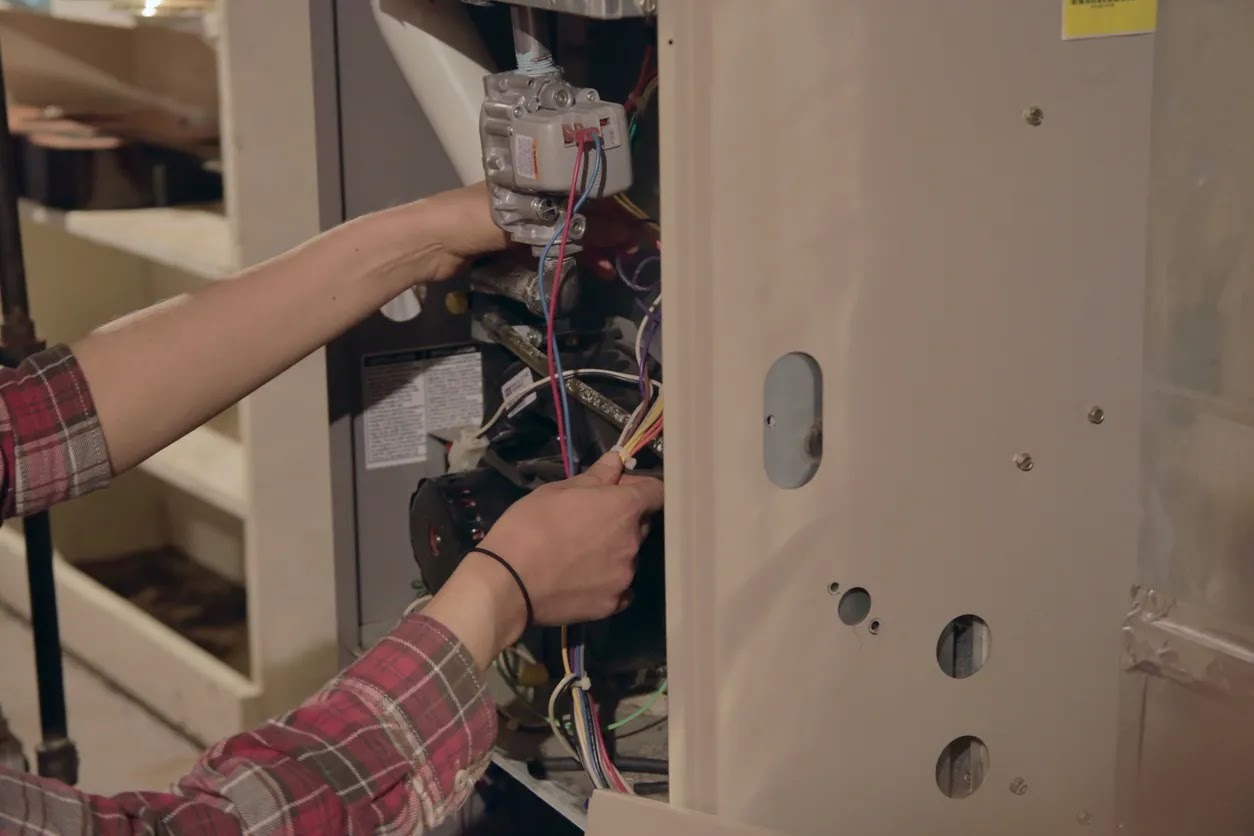
A furnace showing urgent symptoms puts both safety and comfort at risk. Catching problems early lowers the chance of dangerous failures, avoids costly breakdowns, and keeps energy use under control for Gainesville, GA homes. This guide shows the red flags—odd noises, abnormal pilot light behavior, no heat, foul odors, water leaks, and carbon monoxide alerts—what each one means, why it happens, and what to do right away. You’ll get practical checks you can safely do at home, a priority list of safety steps, and clear guidance on when to call a pro so you can triage issues without guessing. We also map straightforward troubleshooting for heating failures, odor and CO protocols, local emergency criteria, and how routine maintenance prevents many urgent problems. Throughout, we note how Res Air LLC can help with inspections or repairs when professional service is needed.
Most Common Urgent Furnace Symptoms to Watch For
Urgent furnace symptoms are visible or audible signs that point to safety hazards or imminent mechanical failure. Each symptom usually ties back to a failing component or unsafe combustion condition and should be evaluated quickly. Spotting these issues—loud or unusual noises, a yellow or flickering pilot, no heat or cold airflow, frequent on/off cycling, burning or gas-like smells, water leaks, rising energy use, or a carbon monoxide (CO) alarm—lets you act fast to protect people and property. Early detection lowers the risk of fire, CO poisoning, or a full system breakdown and helps keep your home efficient. Below is a short symptom list and a quick table linking symptoms to likely causes for faster triage.
Common urgent furnace symptoms to watch for:
- Loud bangs, grinding, or high-pitched squeals coming from the unit.
- A yellow, orange, or flickering pilot flame instead of a steady blue.
- The furnace runs but only blows cold air or rooms heat unevenly.
- Frequent short cycling—the system turns on and off in quick bursts.
- Persistent burning smells, a rotten-egg gas odor, or a CO alarm going off.
Use this list to prioritize safety steps and to narrow down likely mechanical or combustion causes before you call for professional service.
Quick reference: urgent furnace repair symptoms and probable causes.
Matching symptoms to causes helps you decide which problems are immediate emergencies and which can wait for scheduled repairs.
What Strange Noises from Your Furnace Mean
Noises from a furnace are useful clues about mechanical stress or combustion trouble. A loud bang or thump often signals delayed ignition in the combustion chamber or thermal expansion of metal—either can stress the heat exchanger over time. Squealing or high-pitched sounds commonly mean worn blower bearings or a loose/worn belt and should be fixed to avoid motor failure. Grinding or rattling suggests loose components, failing bearings, or debris in the blower and should be checked soon to prevent further damage. If strange noises come with burning smells, visible sparks, or error codes, shut the unit down and treat it as an emergency—those signs can point to electrical faults or a fire hazard.
- Banging: delayed ignition or expanding metal—inspect ignition and combustion parts.
- Squealing: bearing or belt wear—schedule service before the motor burns out.
- Rattling: loose panels or debris—secure panels and clear obstructions if it’s safe to do so.
Identifying the sound helps you choose safe temporary actions and tells the technician what to check first, protecting the heat exchanger and blower motor.
What a Yellow or Flickering Pilot Light Tells You
A yellow or flickering pilot light typically means incomplete combustion or a dirty burner—and it raises the risk of carbon monoxide production. A healthy flame should be steady and blue; if it’s yellow, orange, or unstable that points to soot, a clogged burner orifice, incorrect air-to-fuel mix, or possibly a cracked heat exchanger. These conditions lower efficiency and can allow combustion gases, including CO, into the home. If you see a yellow pilot with soot, weak heat, or a CO alarm, ventilate the area, don’t run the furnace, and call a licensed technician right away. Regular burner cleaning and tune-ups usually prevent this, but any abnormal flame color should be treated as high priority for safety reasons.
- Immediate homeowner step: turn off the furnace if you notice soot or a strong smell and ventilate the space.
- Urgency: high—requires a licensed tech for burner cleaning and combustion testing.
Have a professional confirm burner and heat exchanger integrity to remove any CO risk.
How to Tell If Your Furnace Isn’t Heating Properly
Poor heating usually stems from control, airflow, ignition, or fuel-delivery issues. Start with the basics: check thermostat settings and calibration, make sure the unit is in heating mode, and verify breakers and gas valves are on. Next, inspect the filter and return vents—restricted airflow commonly causes low heat output and short cycling. If simple checks don’t restore warm airflow, you could be facing ignition problems, a failing flame sensor, or a blocked heat exchanger—issues that need professional diagnostics. Follow these steps to decide whether it’s a homeowner fix or a job for a technician.
- Confirm the thermostat is set to heat and that batteries (if applicable) are fresh.
- Replace a dirty filter and ensure supply and return vents are open and unobstructed.
- Verify power and gas to the furnace and listen for ignition attempts or error codes.
If the furnace still blows cold air or produces only weak heat after these checks, schedule a service call. Persistent lack of heat can signal ignition failure or heat exchanger problems that affect safety and efficiency.
Why Your Furnace Might Blow Cold Air
Cold air when the furnace is running usually points to ignition failure, restricted airflow, or fan settings that run the blower without burners firing. If the blower runs but the burners never ignite, check that the thermostat is calling for heat, confirm electronic ignition or pilot status, and make sure the gas valve is open. Common culprits include a failed ignition module, a dirty flame sensor, or interrupted gas supply. A clogged air filter or blocked vents can also cause the heat exchanger to overheat and shut burners off while the fan continues, producing cool air. Quick homeowner fixes include replacing the filter and resetting the thermostat, but repeat occurrences or visible error codes need a pro. If you smell gas while the system tries to ignite, evacuate and treat it as an emergency.
What Furnace Short Cycling Means and Why It’s a Problem
Short cycling is when the furnace turns on and off in short bursts instead of completing full heat cycles. That pattern shortens component life and wastes energy. Causes include overheating from restricted airflow (dirty filters, closed vents), a faulty thermostat or limit switch, improper unit sizing for the home, or ignition problems that can’t sustain combustion. Short cycling wears the ignition control, blower motor, and gas valve faster and raises repair costs and energy bills because frequent starts use more fuel. Proper diagnosis usually requires airflow checks and electronic testing by a technician who can measure cycle duration, inspect sensors, and recommend fixes like duct or thermostat adjustments or system replacement if needed.
Warning Signs of Dangerous Furnace Odors
Dangerous furnace odors fall into two urgent categories: natural gas (a rotten-egg sulfur smell) and persistent burning or electrical odors. Both need immediate, safety-first action. A gas odor may indicate a leak—evacuate and notify the utility or emergency services before returning. Burning or electrical smells can signal overloaded circuits, failing motors, or arcing wiring inside the furnace and carry a real fire risk; these require turning the unit off and calling a technician. Knowing how to tell these smells apart helps you take the right emergency steps and avoid injury. Below are typical odor scenarios and recommended responses.
Common dangerous furnace odors and what to do:
- Natural gas smell (rotten-egg): evacuate immediately, avoid creating sparks, and call the utility or emergency services.
- Persistent burning/electrical smell: turn off power to the furnace and contact an HVAC technician—treat as a possible fire hazard.
- Dust burn-off: a faint, short-lived burning smell on first start is normal; persistent or strong odors indicate mechanical or wiring trouble.
The next section gives exact homeowner steps for gas-smell incidents and burning/electrical odors that protect people first.
What to Do If You Smell Gas Near Your Furnace
If you smell natural gas near your furnace, act quickly and calmly: evacuate people and pets, avoid touching switches or electronics, and call emergency services and your gas utility from a safe location. Don’t try to find the leak with open flame or by testing appliances—any spark can ignite gas. After you call the gas company and emergency services, wait for their clearance before re-entering the home. For repairs, contact a licensed HVAC pro for leak detection, gas-line inspection, and combustion checks before restoring service. These steps protect occupants and reduce the risk of explosion or CO exposure.
- Evacuate everyone immediately and move to a safe distance.
- Avoid using phones, light switches, or any potential ignition sources inside the home.
- Call the gas utility and emergency services from outside, then schedule an HVAC inspection once it’s safe.
This checklist prioritizes life-safety before repair work begins.
How to Recognize a Dangerous Burning Smell and What Causes It
A persistent burning smell from a furnace can mean electrical shorts, motor overheating, or trapped debris. Distinguish harmless first-run dust burn-off from dangerous smells: startup dust usually produces a faint odor that clears within a short run cycle. A sharp, acrid, or plastic-like burning smell that lingers, worsens with operation, or comes with smoke or tripped breakers is a red flag for motor failure, wiring arcing, or melting insulation—turn off the furnace, cut power at the breaker, ventilate, and call for urgent service. Addressing electrical burning smells quickly reduces fire risk and prevents further equipment damage.
When to Call for Emergency Furnace Repair in Gainesville, GA
Call for emergency furnace repair when symptoms present immediate danger or a high risk of rapid failure—examples include gas leaks, CO alarm activation, visible smoke or sparks, severe water flooding, or a persistent yellow pilot light with soot. If you see any of these clear red flags, evacuate, contact emergency services and your gas utility as needed, then arrange emergency HVAC service for inspection and repair. For Gainesville, GA homeowners, prioritize evacuation and utility notification for gas/CO events, then secure emergency HVAC response for safe shutdown, diagnosis, and repair. The triage table below clarifies immediate homeowner steps and when to escalate to emergency professionals.
Need urgent service or a quote? We provide local guidance and booking options below.
- Res Air LLC offers emergency response for furnace repairs and serves Gainesville, GA and nearby areas.
- Emergency booking includes 24/7 response, safety-first triage, and clear, upfront pricing for urgent work.
Frequently Asked Questions
What should I do if my furnace is making strange noises?
If your furnace makes banging, squealing, or grinding sounds, turn it off to avoid further damage and schedule a technician inspection. Those noises can mean delayed ignition, worn bearings, or loose components. Acting quickly prevents more serious failures and costly repairs.
How can I tell if my furnace is leaking carbon monoxide?
CO is dangerous and sometimes hard to detect without an alarm. Warning signs include a yellow pilot light, unusual odors, or a triggered CO detector. If you suspect CO, evacuate everyone immediately and call emergency services—don’t try to find the source yourself. Regular maintenance and working CO detectors are essential safeguards.
What are the benefits of regular furnace maintenance?
Regular maintenance keeps your furnace safe, efficient, and reliable. Routine inspections catch small problems before they become emergencies, while filter changes and burner cleanings improve airflow and combustion. Maintenance lowers energy bills, extends equipment life, and gives you priority service when issues arise.
How can I tell if my furnace is short cycling?
Short cycling shows as frequent, brief on/off cycles rather than normal run times. It often comes from airflow restrictions, thermostat faults, or improper sizing. If your furnace runs only a few minutes then shuts off repeatedly, call a pro for diagnosis—left unchecked, short cycling causes extra wear and higher bills.
What should I do if my furnace is leaking water?
Turn off power to the unit and check the condensate pan and drain for blockages. If water pooling continues or you suspect a cracked heat exchanger, contact a qualified HVAC technician right away. Prompt action prevents water damage and electrical hazards.
How can I improve my furnace's energy efficiency?
Start by replacing dirty air filters, sealing duct leaks, and keeping vents clear. Install a programmable thermostat to optimize schedules and book regular maintenance to catch inefficiencies early. These steps reduce energy use and extend the life of your system.
When should I call for emergency furnace repair?
Call emergency service if you experience life-safety symptoms like a gas smell, CO alarm, visible smoke, electrical burning smells, or severe water intrusion. For these red flags, evacuate, call emergency services as needed, and then contact an emergency HVAC provider to secure and repair the system.
Conclusion
Knowing the urgent signs of furnace trouble keeps your home safer and more comfortable. When you recognize symptoms—strange noises, odors, unusual flames, or loss of heat—take immediate safety steps and get professional help when needed. If you’re in Gainesville, GA, Res Air is ready to inspect, repair, or provide maintenance to keep your system running safely and efficiently. Don’t wait on warning signs— Contact us today to protect your home and family.


Financing
We make comfort affordable with flexible financing options through Optimus and Synchrony, giving you stress-free payment solutions for your HVAC needs.

Customer Testimonials
At Res Air, our customers’ satisfaction speaks louder than words. From fast emergency repairs to flawless system installations, homeowners trust us for reliable comfort and professional service.