.png)
.jpg)

Heat Pump Not Heating or Cooling: Troubleshooting Tips
Heat Pump Not Heating or Cooling? Practical Troubleshooting Tips for Homeowners
Recommendations
When your heat pump isn’t keeping your home comfortable, it’s more than just a minor inconvenience — it can be a significant source of stress and discomfort, especially during extreme weather. Understanding the most common reasons behind these issues empowers you to quickly identify and address problems. This comprehensive guide will walk you through straightforward troubleshooting steps you can perform yourself, highlight crucial warning signs that indicate more serious underlying issues, and advise you on precisely when it’s time to enlist the expertise of a professional. By following these practical tips, you can help ensure your heat pump operates efficiently, maintains optimal performance, and consistently keeps your home at the perfect temperature. Should you find yourself needing hands-on assistance, learn how to request a reliable HVAC service in Gainesville, GA, to restore your comfort promptly.
Why Is My Heat Pump Not Heating? Common Causes and Solutions
There are several frequent culprits when a heat pump fails to produce adequate heat. Gaining a clear understanding of these common issues will significantly help you narrow down the potential problem, allowing you to determine whether it's a simple adjustment you can make or if the situation warrants the specialized attention of a qualified technician.
- Thermostat Settings: A common oversight, if your thermostat is not correctly conpd for "heat" mode, or if the desired temperature setting is lower than the current room temperature, your heat pump simply won't activate to provide warmth. Always make it your first step to double-check both the operational mode and the temperature setpoint before delving into more complex troubleshooting.
- Dirty Air Filter: A severely clogged or dirty air filter acts as a significant barrier, restricting the essential airflow through your system. This forces the heat pump to work considerably harder to achieve the desired temperature, leading to reduced heat output and increased energy consumption. Regular inspection and timely replacement of your air filters are crucial for maintaining steady and efficient performance.
- Refrigerant Levels: The refrigerant is the lifeblood of your heat pump, responsible for transferring heat. If the refrigerant levels are low, or if there's a leak within the system, the heat pump's ability to generate heat will be severely compromised, leading to inefficient operation. Any suspected issues with refrigerant require the diagnostic skills and repair capabilities of a licensed HVAC technician, as handling refrigerants safely and effectively demands specialized training and equipment.
How Do Thermostat Settings Affect Heat Pump Heating Performance?
Your thermostat serves as the central command unit, dictating precisely when and how your heat pump operates. If it's mistakenly set to "cool" mode, or if the fan is continuously running on "on" instead of "auto," the system will not function as intended and may consume more energy than necessary. Before considering a service call, meticulously confirm that your thermostat is conpd to the correct heating mode, that the desired temperature is set comfortably above the current room temperature, and that the fan settings are on "auto" to allow the system to cycle efficiently and properly. For further assistance in optimizing your heating controls and ensuring peak performance, learn more about our comprehensive heating services.
Can a Dirty Air Filter Cause My Heat Pump to Stop Heating?
Absolutely, a dirty or severely blocked air filter can indeed cause your heat pump to struggle or even cease heating effectively. When airflow is restricted, the system's ability to transfer heat is significantly reduced. This forces the heat pump to overwork, leading to decreased efficiency, potential strain on components, and in some cases, it may even trigger safety controls that shut the system down to prevent damage. To prevent such issues and maintain optimal performance, it is highly recommended to replace your filters every 1–3 months, depending on factors such as system usage, the presence of pets, and the specific type of filter installed. This simple maintenance step can prevent undue strain and potential costly damage to your unit.
What Should I Do If My Heat Pump Is Not Cooling Properly?
When your heat pump struggles to cool your home, the underlying causes are often quite predictable. Identifying these issues early can be instrumental in preventing more extensive and expensive repairs, ensuring your home remains comfortably cool precisely when you need it most.
- Warm Air Blowing: If your heat pump is operating in cooling mode but is instead circulating warm air, this often points to a malfunction with the reversing valve or critically low refrigerant levels. Before investigating further, always confirm that your thermostat is correctly set to "cool" mode.
- Frozen Outdoor Unit: The presence of ice buildup on your outdoor unit is a clear indicator of a problem and will severely diminish its cooling capacity. Freezing can stem from various issues, including insufficient refrigerant, obstructed airflow around the unit, or a fault within the defrost cycle. It's important to visually inspect the unit for any ice and ensure that there are no nearby obstructions impeding proper airflow.
Why Is My Heat Pump Blowing Warm Air During Cooling Mode?
If your heat pump is actively blowing warm air when it should be providing cool relief, it typically suggests one of two primary issues. The reversing valve, which is responsible for switching the system between heating and cooling functions, may not be operating correctly. Alternatively, the refrigerant levels could be critically low, meaning the system lacks the necessary medium to effectively absorb heat from inside your home and release it outdoors. Engaging in regular, professional maintenance can often detect and rectify many of these potential issues before they escalate into more significant system failures, saving you discomfort and expense.
How Does a Frozen Outdoor Unit Impact Cooling Efficiency?
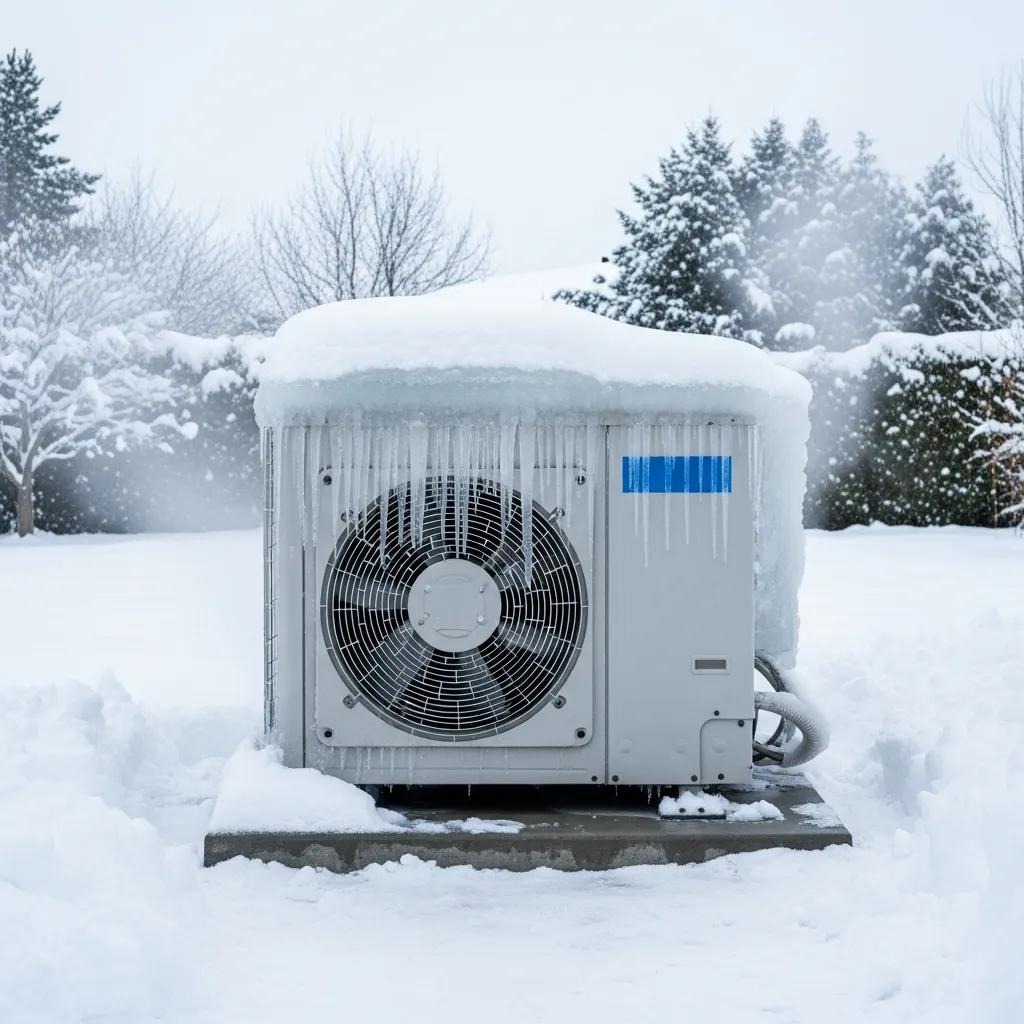
The accumulation of ice on your outdoor heat pump unit is a serious concern, as it directly impedes airflow and prevents the normal heat transfer process, thereby drastically reducing the system's cooling capabilities. This phenomenon can be attributed to several common causes, including critically low refrigerant levels, the presence of debris or obstructions that restrict vital airflow, or a malfunction within the unit's defrost cycle. If you observe ice forming on your outdoor unit, it is imperative to immediately shut the system off to prevent further damage and promptly contact a qualified service professional to thoroughly investigate the root cause and perform the necessary repairs.
How Can I Perform Basic Heat Pump Troubleshooting at Home?
Before reaching out for professional service, many common heat pump problems can be identified and sometimes resolved through a series of simple, at-home checks. Taking these initial steps can often save you time and the expense of a service call, helping you pinpoint obvious issues quickly.
- Check Thermostat Settings: Always begin by verifying that your thermostat is conpd to the appropriate mode (heating or cooling) and that the desired temperature setting is correct for your comfort needs.
- Inspect the Air Filter: Take a moment to visually inspect your air filter. If it appears heavily soiled or clogged with dust and debris, it's a strong indicator that it needs to be replaced to ensure proper airflow.
- Examine the Outdoor Unit: Conduct a visual inspection of your outdoor heat pump unit. Look for any leaves, grass clippings, branches, or other debris that might be obstructing the coils or blocking the essential airflow around the unit.
What Are the Step-by-Step Checks for Thermostat, Air Filter, and Outdoor Unit?
To systematically rule out the most common issues affecting your heat pump's performance, follow these practical and easy-to-perform steps:
- Thermostat: Confirm that the operational mode is set correctly (either heat or cool, depending on your need), verify the temperature setpoint, and if your thermostat uses batteries, ensure they are fresh and properly installed.
- Air Filter: Carefully remove the air filter from its housing. Hold it up to a light source – if very little or no light can pass through, it is heavily clogged and requires immediate replacement to restore proper airflow.
- Outdoor Unit: Ensure there is at least two feet of clear space maintained around all sides of your outdoor unit. Systematically remove any visible debris such as leaves, grass, or other obstructions that could be hindering airflow to the coils and fan.
When Should I Inspect the Circuit Breaker and Electrical Components?
If your heat pump fails to power on at all, or if it suddenly stops operating, your next step should be to inspect your home's circuit breaker panel and any dedicated disconnect switches located near the outdoor unit. A tripped circuit breaker can effectively cut power to the system, preventing it from running. However, if breakers repeatedly trip, or if you have any suspicion of underlying wiring issues or electrical faults, it is absolutely critical to stop your troubleshooting efforts immediately and contact a licensed technician. Attempting to diagnose or repair electrical problems without proper training and equipment can be extremely dangerous and should only be handled by qualified professionals.
What Are the Signs of Common Heat Pump Problems and When to Call a Professional?
Being able to recognize the red flags of heat pump malfunction is crucial, allowing you to take timely action before minor issues escalate into major, costly repairs. It is highly advisable to contact a professional HVAC technician if you observe any of the following concerning signs:
- Unusual Noises: Any strange sounds emanating from your heat pump, such as grinding, persistent squealing, loud banging, or clanking, typically indicate mechanical trouble within the unit. These noises often point to failing motors, bearings, or other critical components that require expert diagnosis and repair.
- Inconsistent Temperatures: If certain rooms in your home consistently remain much warmer or cooler than others, despite the heat pump running, it may signal distribution issues, problems with ductwork, or failing internal components that are preventing uniform temperature control throughout your living space.
- Increased Energy Bills: A sudden and unexplained surge in your monthly energy consumption, particularly when your usage patterns haven't changed, is a strong indicator that your heat pump is operating inefficiently. This inefficiency often stems from a failing part, a system imbalance, or poor overall performance, leading to higher operational costs.
How to Identify Refrigerant Leaks and Low Refrigerant Symptoms?
Low refrigerant levels not only significantly reduce your heat pump's efficiency but can also lead to severe and irreversible damage to the compressor if left unaddressed. Be vigilant for these tell-tale signs:
- Ice Buildup: The appearance of frost or ice on the indoor evaporator coils or the outdoor unit's coils is a very common and critical symptom of low refrigerant.
- Warm Air: If your system is set to cool but is consistently blowing warm or lukewarm air, it suggests an inability to properly absorb and dissipate heat due to insufficient refrigerant.
- Hissing Sounds: A distinct hissing or bubbling noise emanating from the unit can often indicate a refrigerant leak, as the gas escapes the system.
If you suspect a refrigerant leak, it is imperative to contact a professional HVAC technician immediately. Refrigerant work requires specialized certification, precise tools, and adherence to strict environmental regulations for safe and effective handling.
What Does a Faulty Reversing Valve Mean for Heat Pump Operation?
A malfunctioning reversing valve is a critical issue that prevents your heat pump from effectively switching between its heating and cooling modes. This component is essential for the system's dual functionality. Typical symptoms that suggest a faulty reversing valve include:
- Inconsistent Temperature Control: You may experience significant difficulty in maintaining your home at the desired set temperature, with the system struggling to provide either adequate heating or cooling.
- Warm Air in Cooling Mode: A clear indicator is when the unit is set to cool, but it persistently blows warm air, unable to reverse the refrigerant flow to extract heat from indoors.
If you observe these specific issues, it is highly recommended to schedule a visit from a qualified technician. They possess the expertise to accurately diagnose the problem and, if necessary, replace the reversing valve to restore your system's proper operation.
How Does Regular Maintenance Prevent Heat Pump Heating and Cooling Issues?
Engaging in routine, professional maintenance is the single most effective strategy for keeping your heat pump running at peak efficiency and proactively avoiding unexpected breakdowns. Regular service allows technicians to identify and address minor problems early on, ensuring that all components continue to operate precisely as designed, year after year.
- Improved Efficiency: Consistent maintenance helps uncover and rectify small issues that can gradually diminish your system's performance. By addressing these, your heat pump can operate more efficiently, consuming less energy to achieve your desired comfort levels.
- Cost Savings: Keeping your system meticulously tuned through regular service not only contributes to lower monthly utility bills but also significantly reduces the likelihood of encountering costly, emergency repairs down the line. Preventative care is an investment that pays dividends.
- Extended Lifespan: Just like any complex machinery, regular care and attention help your heat pump last considerably longer. By mitigating wear and tear and ensuring all parts are in good working order, professional maintenance delays the need for expensive system replacements, maximizing your initial investment.
What Is Included in a Heat Pump Maintenance Checklist?
A thorough and professional heat pump maintenance visit should encompass a comprehensive series of checks and services to ensure every aspect of your system is functioning optimally. This typically includes:
- Inspect and Replace Air Filters: Technicians will carefully verify the condition of your air filters and replace them as needed to ensure unrestricted airflow and maintain indoor air quality.
- Clean Coils and Fins: A critical step involves meticulously cleaning dirt, dust, and debris from both the indoor evaporator and outdoor condenser coils and fins, which are vital for efficient heat transfer.
- Check Refrigerant Levels: Professionals will confirm the correct refrigerant charge within the system and diligently inspect for any signs of leaks, addressing them promptly if found.
How Does Professional Service Improve Heat Pump Efficiency and Longevity?
Skilled HVAC technicians bring a wealth of specialized tools, extensive experience, and in-depth knowledge to the table, enabling them to spot hidden problems that homeowners might easily overlook. Professional service offers distinct advantages:
- Thorough Inspections: Technicians conduct complete, multi-point system checks, meticulously examining every component to catch potential issues in their nascent stages, preventing them from escalating.
- Expert Repairs: When problems are identified, professionals perform precise and proper fixes that are designed to fully restore your system's performance and long-term reliability, ensuring repairs are done right the first time.
- Preventative Maintenance: Through scheduled care, technicians proactively address wear and tear, lubricate moving parts, and make necessary adjustments, keeping your system in optimal shape and extending its operational life.
If you're exploring alternative solutions for enhanced efficiency or zoned comfort within your home, mini-split systems present a highly flexible and effective option for many residential settings.
Where Can Gainesville, GA Homeowners Find Reliable Heat Pump Repair Services?
Selecting a local, reputable HVAC company is paramount for ensuring that your heat pump repairs and ongoing maintenance are both easier to manage and consistently reliable. Homeowners in Gainesville, GA, should prioritize providers who possess deep familiarity with the local climate and community needs, and who are committed to delivering transparent, honest, and high-quality service.
- Research Local Providers: Before scheduling any service, dedicate time to thoroughly research local HVAC companies. Read customer reviews, check their community reputation, and look for testimonials that speak to their reliability and customer satisfaction.
- Check Credentials: Always verify that the technicians employed by the company are properly licensed and certified for HVAC work. Furthermore, ensure the company itself is fully insured, providing you with peace of mind and protection.
- Ask for Recommendations: Leverage your local network by talking to neighbors, friends, or family members who have had positive experiences with local contractors. Personal recommendations often lead to finding trusted and dependable service providers.
Why Choose Res Air LLC for Heat Pump Repair in Gainesville, GA?
Res Air LLC stands as a proud, locally owned and operated HVAC team deeply rooted in Gainesville, GA. We are dedicated to offering a full spectrum of HVAC services, encompassing everything from expert system installations to meticulous repairs and essential routine maintenance. Our unwavering focus is on achieving complete customer satisfaction and delivering dependable workmanship, ensuring your heat pump system performs flawlessly precisely when you need it most, keeping your home comfortable throughout the seasons.
What Are Typical Heat Pump Repair Costs and Financing Options?
The investment required for heat pump repairs can vary considerably, depending on the specific nature of the problem, the complexity of the repair, and the cost of necessary replacement parts. To help you plan, here's a general overview of typical cost categories. Many service providers also offer flexible financing solutions to help manage larger expenses, making essential repairs more accessible.
This overview aims to provide a clearer understanding of the financial considerations for common heat pump repairs and highlights the typical financing options that can make managing service costs more manageable for homeowners.


Financing
We make comfort affordable with flexible financing options through Optimus and Synchrony, giving you stress-free payment solutions for your HVAC needs.

Customer Testimonials
At Res Air, our customers’ satisfaction speaks louder than words. From fast emergency repairs to flawless system installations, homeowners trust us for reliable comfort and professional service.