



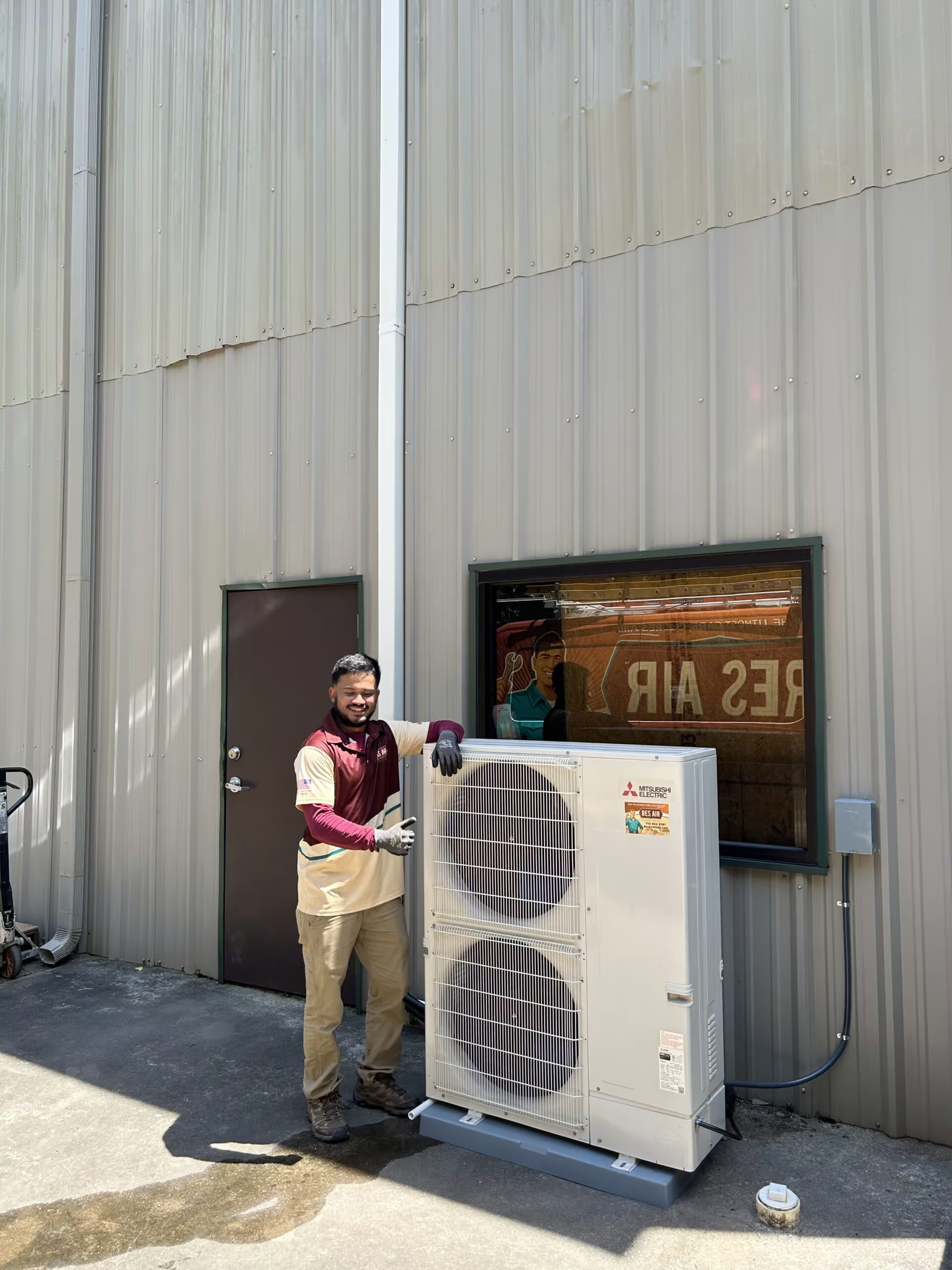
Cold snaps test equipment in ways a mild winter never does, and heat pumps get more scrutiny during those stretches than almost any other piece of home equipment. Cutting through the skepticism usually starts with a plain look at the benefits of heat pumps against what a furnace or straight air conditioner actually delivers once temperatures drop into the teens or lower. Older heat pump technology struggled noticeably below freezing, and that reputation has stuck around longer than the equipment problems that caused it. Current cold climate models use variable speed compressors and different refrigerant blends that perform noticeably better in real winter conditions. Whether the investment makes sense still depends heavily on the specific climate, the house, and what the system is replacing. A homeowner in a region that regularly hits single digits faces a very different calculation than one where the thermometer rarely dips below freezing.
1. How Heat Pumps Actually Perform When Temperatures Drop Hard
Standard heat pumps lose capacity as outdoor temperatures fall, which is the root of most skepticism around cold climate performance. Cold climate models, sometimes labeled as such by manufacturers, maintain a much higher percentage of rated capacity down into single digit temperatures than older equipment ever could. Below a certain point, usually somewhere in the negative single digits depending on the specific unit, most systems still need backup heat to keep up. That backup can be electric resistance coils, or in some setups, a paired furnace that kicks in only when the outdoor temperature drops past the heat pump’s practical limit. The equipment isn’t magic, but it’s a considerably different conversation than it was even a handful of years ago. Manufacturers now publish capacity curves showing exactly how much heating power remains at specific outdoor temperatures, which makes comparing models a lot less like guesswork.
2. Getting the System Into the House the Right Way
- Backup heat source. Deciding between electric resistance strips and a paired gas furnace changes both the upfront cost and the monthly bill during the coldest stretches.
- Refrigerant line placement. Lines routed through unconditioned space lose efficiency faster in extreme cold, so routing through conditioned areas where possible matters more here than in a mild climate.
- Outdoor unit placement. Snow load and wind exposure affect how well the outdoor unit sheds ice and maintains airflow through winter.
Comparing heat pump vs furnace setups side by side usually depends on how often the backup heat actually needs to run, which is entirely a function of the local climate and the specific design temperature engineers use for that region.
3. What the Efficiency Numbers Actually Tell You
- HSPF2 rating. This heating season number reflects average performance across a season, not necessarily the coldest week of January.
- Capacity at 5 degrees Fahrenheit. Manufacturers publish this figure specifically because it matters more in extreme climates than the standard rated capacity does.
- Heat pump energy efficiency at low temperatures. A unit that's efficient at 40 degrees can lose a significant share of that efficiency by the time it's 10 degrees outside.
Choosing a heat pump for an extreme climate means reading past the headline rating and looking specifically at cold weather performance data.
4. Matching the Unit to the House and the Climate
Heat pump sizing in an extreme climate works differently than in a mild one, since the system needs enough capacity to handle both summer cooling loads and the coldest realistic winter stretch. Undersizing leaves a house relying on expensive backup heat more often than it should, while oversizing wastes money on capacity that rarely gets used. A proper load calculation accounts for insulation, window count, and the specific design temperature for the region, not just square footage. Getting this step wrong is one of the more common reasons a heat pump earns a bad reputation in a climate where it should have performed just fine. A contractor willing to run the actual numbers, rather than eyeballing tonnage off the old equipment, usually catches this before it becomes a winter complaint.
5. What the Investment Actually Looks Like Over Time
Heat pump installation cost tends to run higher upfront than a straight furnace replacement, though the gap has narrowed as the technology’s become more common. Monthly operating costs usually come in lower during shoulder seasons, since a heat pump handles both heating and cooling with one system instead of two. The coldest weeks are where the math gets more complicated, since backup heat can erase some of those savings depending on local electricity rates. Rebates and tax incentives sometimes offset a meaningful chunk of the upfront difference, though availability varies considerably by location and changes over time. Looking at total cost over a decade, rather than just the installation invoice, usually gives a clearer answer than comparing sticker prices alone. Two systems with a similar upfront number can land in very different places once ten winters of actual energy bills get added up.
Conclusion
Heat pumps aren’t a universal answer in extreme climates, but the technology has moved well past the point where cold weather automatically rules them out. The right call depends on the specific climate, the house’s insulation and layout, and how the system gets sized and installed from the start. Res Air Heating and Cooling walks homeowners through these specifics instead of applying a one size fits all recommendation to every house. A heat pump sized and installed correctly for a truly cold climate can perform well, but skipping that groundwork tends to produce the exact disappointment that gave the technology its reputation. Getting a clear assessment upfront saves considerably more than guessing based on a neighbor’s experience, especially since two houses on the same street can need very different equipment depending on layout and insulation alone.
Air Conditioning services
Wondering if a heat pump fits your home? Res Air Heating and Cooling can help you decide. Call 770-902-3787 today.
FAQs
Frequently Asked Questions
- Need Help Right Now?
Our team is available 24/7 to answer your questions and schedule fast service.
Do heat pumps work well in cold winters?
Yes, Atlanta's winters rarely drop into the range where a cold climate heat pump needs significant backup heat, making the technology a solid fit for most homes in the area.
How much does heat pump installation cost?
Costs vary by system size and ductwork condition, though most homeowners can expect a range similar to or somewhat higher than a comparable furnace and air conditioner combination.
Is a heat pump better than a furnace?
For most homes in this climate, a heat pump handles both heating and cooling efficiently without needing a separate furnace, though homes with older ductwork sometimes see better results pairing one with existing gas heat.