
Get Fast HVAC Service Today
Once you submit, we may reach out to you via phone, email, or text to fetch information, which you can opt out of at any time. We will never share your personal information with third parties for marketing purposes. Consent is not a condition of purchase. Message/data rates apply.
Home / Garage Heating Air Conditioning Cornelia Ga
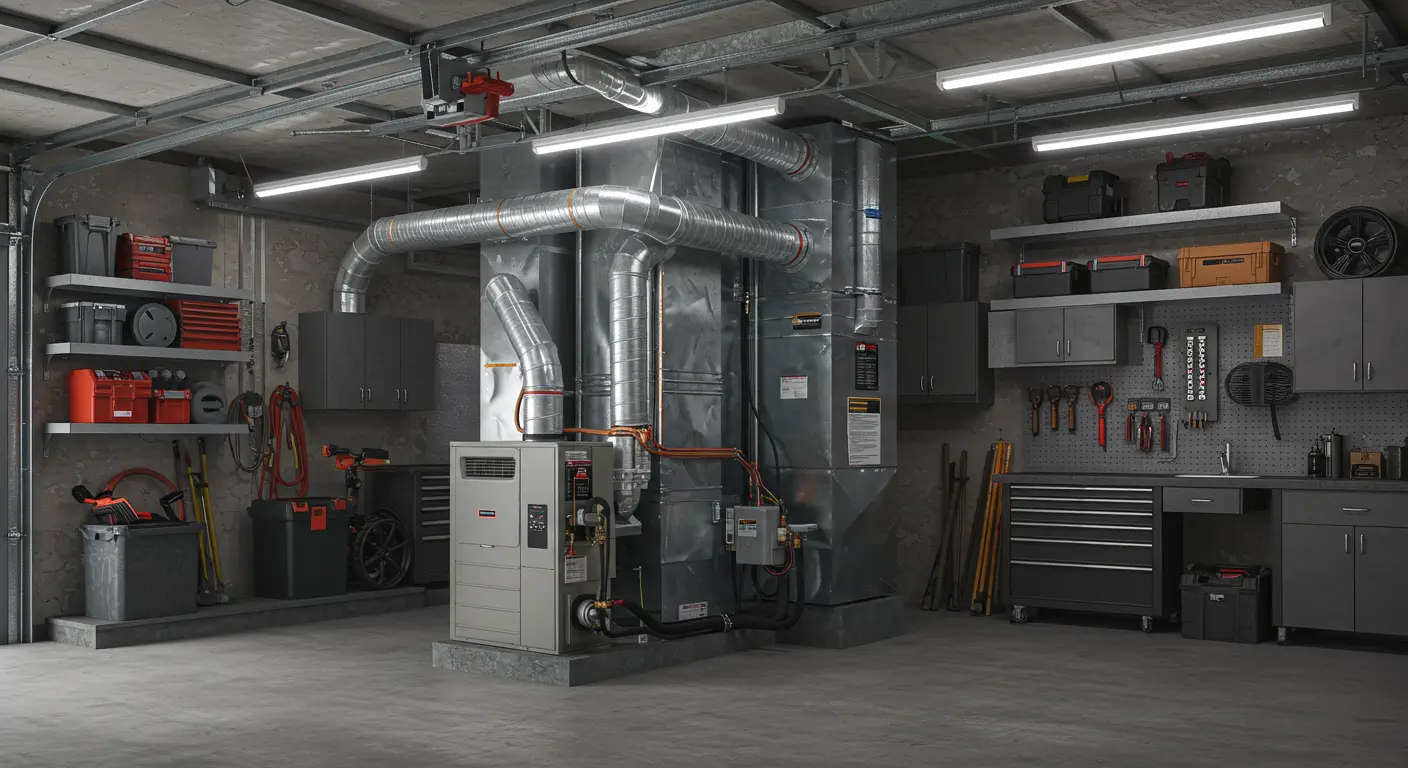
Keeping your garage comfortable and safe matters year-round in Cornelia, GA. With hot, humid summers and cool winter nights in Northeast Georgia, garages that serve as workshops, storage for classic cars, or converted living space need properly sized heating and cooling, reliable ventilation, and installation practices that protect tools, vehicles, and stored items from moisture and temperature extremes. This page from Res Air LLC explains options, common issues in Cornelia homes, assessment and installation best practices, safety concerns, and maintenance approaches to keep a garage HVAC system running reliably.
Specials
Save Big, Current Specials
Save on HVAC repairs, maintenance, and new system installations with our current limited-time offers.
Up to
$1,500 Off
On High-Efficiency HVAC System Installations
Expires 07/31/2026
Free
Service Call with Repair
Expires 07/31/2026
15% OFF
Repairs for Maintenance Members
Expires 07/31/2026
Why Garage HVAC Matters in Cornelia, GA
Cornelia’s humid subtropical climate creates two common problems for garages: excessive heat and humidity in summer that accelerates corrosion, mildew, and discomfort, and occasional cold snaps that can damage sensitive equipment or cause pipes to freeze. Garages are often less insulated and more air-leaky than living spaces, so a standard home HVAC system rarely controls them effectively. A purpose-built garage heating and air conditioning solution from Res Air LLC preserves stored items, improves usability for hobbyists and tradespeople, and reduces moisture-related issues common in North Georgia.
- Poor Temperature Control: During summer heat waves or winter cold fronts
- High Humidity Issues: Condensation on metal surfaces, mold or mildew growth
- Uneven Comfort: When the garage is used as a workshop or home gym
- Inadequate Ventilation: For vehicle exhaust, paint fumes, or woodworking dust
- Excess Energy Use: When an oversized or poorly installed system runs inefficiently
- Safety Risks: From combustion heaters without proper combustion air or ventilation
Garage HVAC Options And When To Choose Each
- Ductless Mini-Split Systems: Best for detached or unconditioned garages and situations where minimal disruption is desired. Provide efficient heating and cooling, dehumidification, and zoned controls.
- Packaged Through-The-Wall Or Packaged Unit Systems: Good for standard garages where an integrated wall-mounted unit can be installed without external ductwork.
- Heat Pumps And Multi-Zone Split Systems: Efficient year-round heating and cooling; heat pumps perform well when the garage is moderately insulated.
- Electric Resistance And Infrared Heaters: Useful for spot heating in well-insulated garages and intermittent use; they require proper electrical supply.
- Gas-Fired Unit Heaters And Direct-Fired Heaters: Offer high output for large or poorly insulated spaces; must meet ventilation and combustion air codes and include carbon monoxide mitigation strategies.
- Hybrid Approaches: Combine a mini-split for comfort control with auxiliary heaters for extreme cold or rapid warm-up.
Recommended Installation Practices
- Place indoor units: To optimize airflow across the usable workspace and away from obstructions like vehicle doors or shelving.
- Ensure outdoor condensers: Have proper clearance and are elevated where needed to avoid debris and standing water.
- Route refrigerant lines and condensate drains: With sloping runs and insulated line sets to prevent heat gain and condensation.
- Seal and insulate the garage envelope: Weather-stripped doors, insulated garage door panels, and sealed wall penetrations reduce system size and operating cost.
- Provide dedicated electrical circuits: Sized to code for the chosen equipment and include surge protection where appropriate.
- For fuel-fired heaters: Follow combustion air, venting, and clearance requirements and install carbon monoxide detection in adjacent living areas.
- Square Footage And Ceiling Height
- Insulation Levels: In walls, ceiling, and garage door (R-values)
- Usage Patterns: Frequency of door openings and typical usage (workshop, storage, living space)
- Heat Gains: From solar exposure and equipment/tools
- Local Climate Variables: High summer humidity in Cornelia demands a system that can handle latent load
- Professional assessments: by Res Air LLC calculate heating and cooling loads rather than relying on rule-of-thumb BTU-per-square-foot estimates to match real-world garage conditions.
Reviews
What Our Customers Say
Common Garage HVAC Needs and Problems in Cornelia
- Poor Temperature Control: During summer heat waves or winter cold fronts
- High Humidity Issues: Condensation on metal surfaces, mold or mildew growth
- Uneven Comfort: When the garage is used as a workshop or home gym
- Inadequate Ventilation: For vehicle exhaust, paint fumes, or woodworking dust
- Excess Energy Use: When an oversized or poorly installed system runs inefficiently
- Safety Risks: From combustion heaters without proper combustion air or ventilation
Assessment And Sizing Considerations
Proper sizing prevents short-cycling, poor humidity control, and excessive energy cost. Key factors for sizing a garage HVAC system include:
- Square Footage And Ceiling Height
- Insulation Levels: In walls, ceiling, and garage door (R-values)
- Usage Patterns: Frequency of door openings and typical usage (workshop, storage, living space)
- Heat Gains: From solar exposure and equipment/tools
- Local Climate Variables: High summer humidity in Cornelia demands a system that can handle latent load
- Professional assessments: by Res Air LLC calculate heating and cooling loads rather than relying on rule-of-thumb BTU-per-square-foot estimates to match real-world garage conditions.
Service Areas
HVAC Services in Gainesville, GA & Surrounding Areas
We provide expert heating, cooling, and indoor air quality services across Gainesville, GA and nearby communities — delivering fast, reliable comfort you can count on.
Blog
HVAC Tips, Maintenance & Energy Savings

Signs You Need Emergency Air Conditioning Repair Right Away
There’s nothing quite like that sinking feeling of walking into a warm house in the middle of July and realizing the AC has simply given
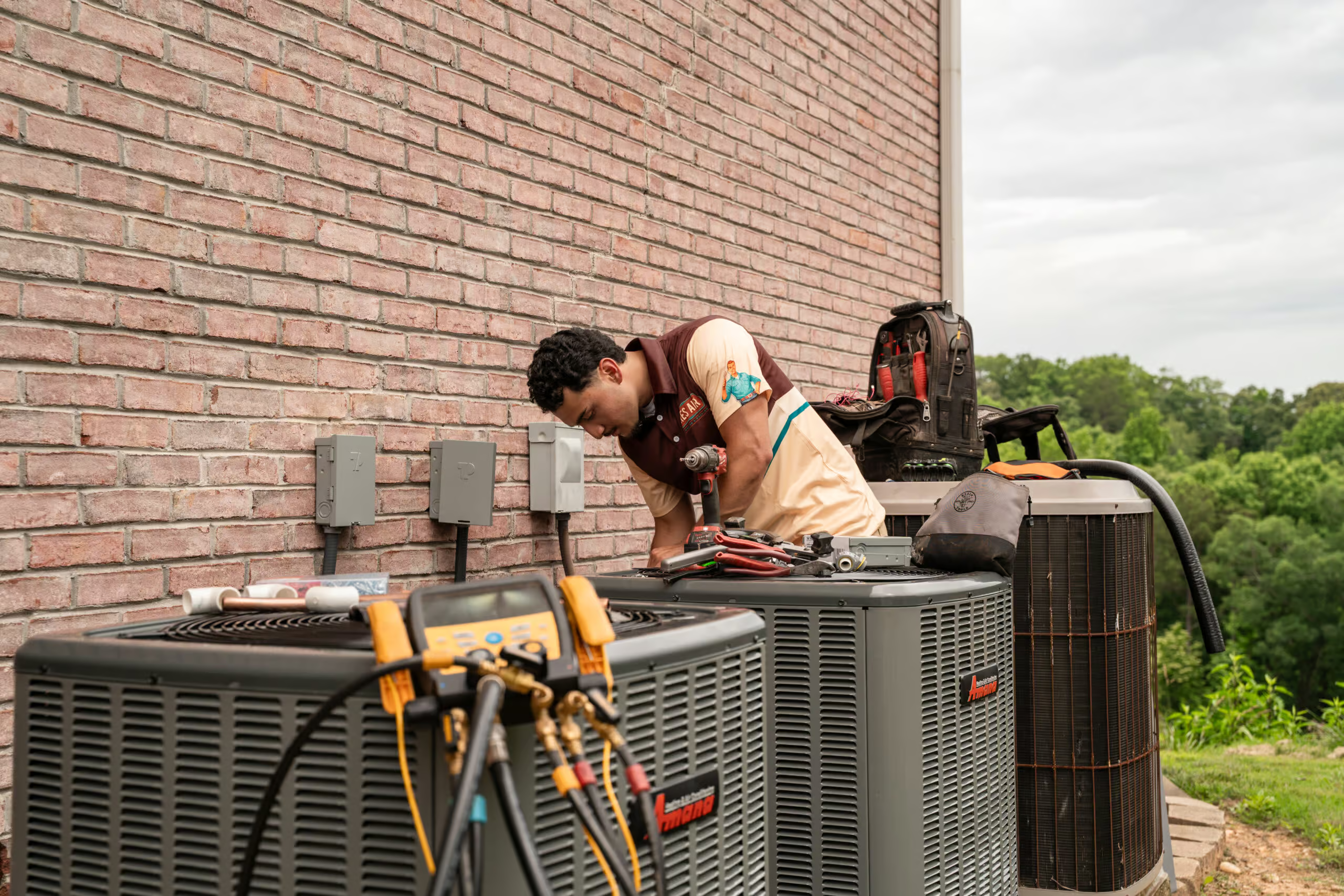
How Long Does a New Air Conditioning Installation Take?
When you’ve finally decided to replace an aging air conditioner, the very next question out of most people’s mouths is the same one: how long
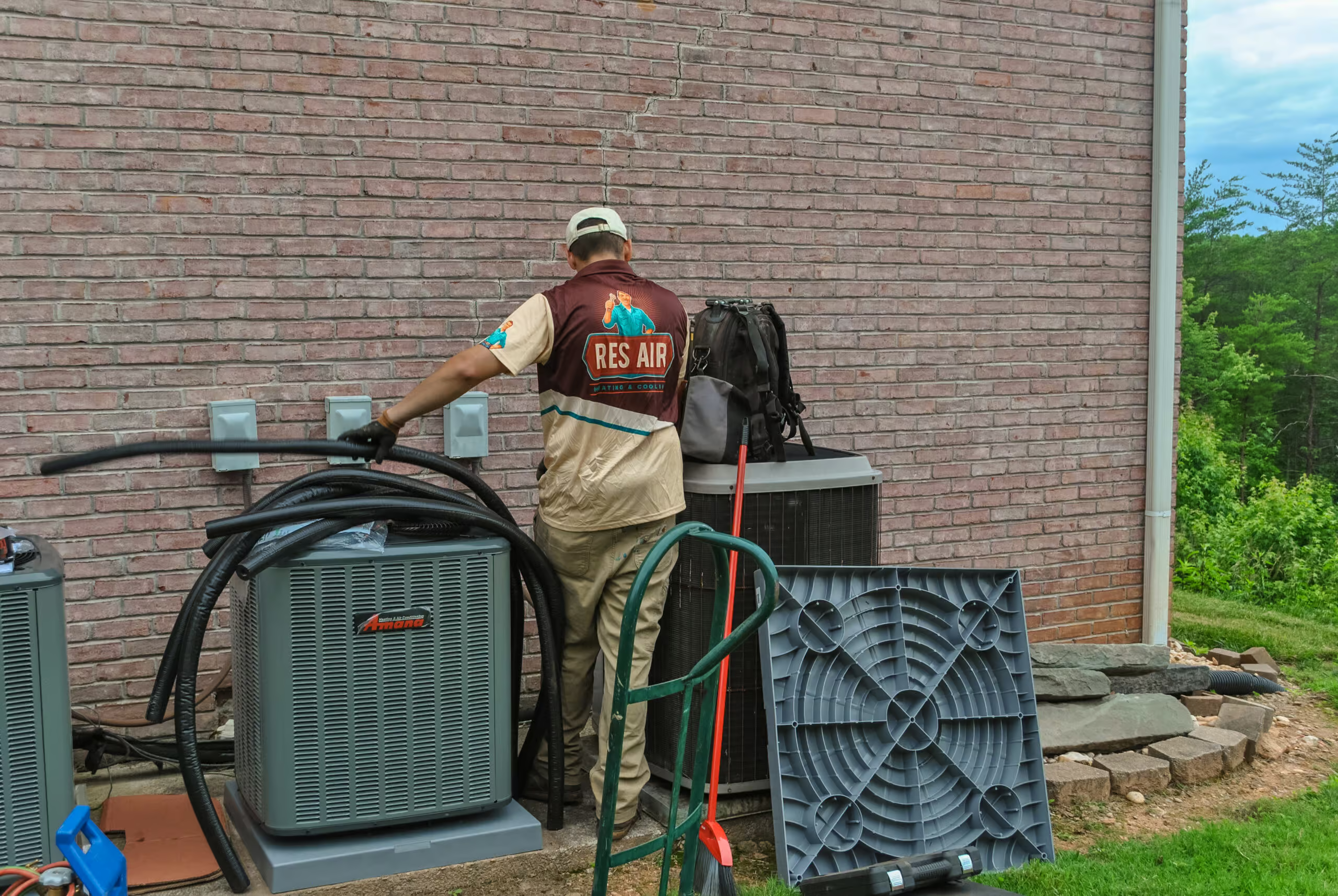
How Often Should an Air Conditioner Be Professionally Maintained?
It’s one of the most common questions we hear at the kitchen table, usually right after someone’s AC has given them a good scare: how

Signs You Need Emergency Air Conditioning Repair Right Away
There’s nothing quite like that sinking feeling of walking into a warm house in the middle of July and realizing the AC has simply given

How Long Does a New Air Conditioning Installation Take?
When you’ve finally decided to replace an aging air conditioner, the very next question out of most people’s mouths is the same one: how long

Signs You Need Emergency Air Conditioning Repair Right Away
There’s nothing quite like that sinking feeling of walking into a warm house in the middle of July and realizing the AC has simply given